Control Slopes and Prevent Soil Movement
Retaining Walls in Vestavia for properties with erosion, unstable slopes, or elevation changes limiting usable yard space
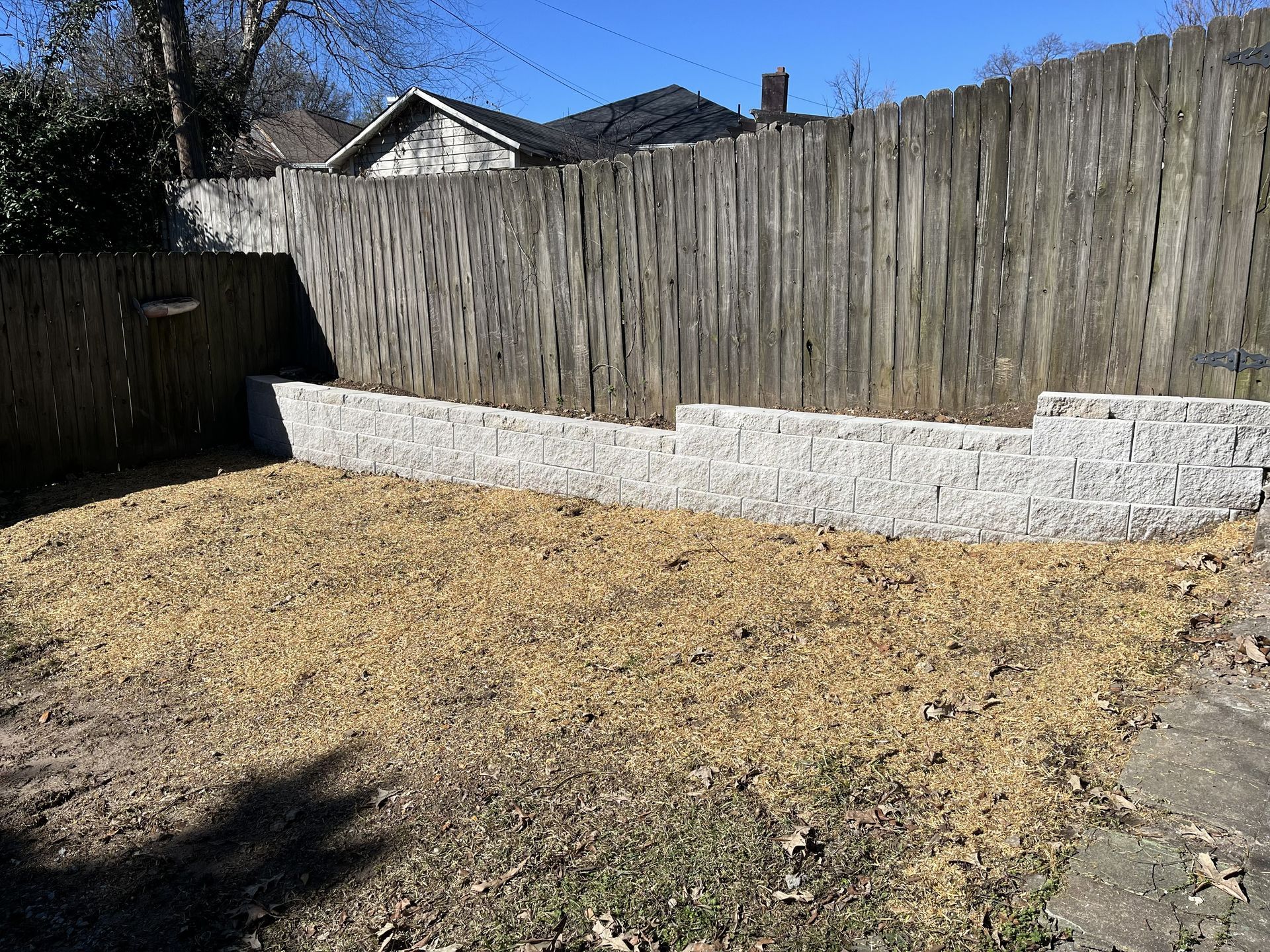
Traywick Sitework builds retaining walls for residential and commercial properties in Vestavia, Homewood, Pelham and surrounding areas. You need walls that hold back soil on sloped lots, prevent erosion that washes dirt onto driveways or walkways, and create level spaces for patios, parking, or landscaping on properties with significant elevation changes. Retaining wall construction includes site excavation to establish stable footing below the frost line, installation of drainage systems behind the wall to relieve water pressure, placement of durable materials designed to resist soil load and weather, and backfilling with graded material that supports the wall and directs water away from vulnerable areas.
Retaining walls are engineered to resist lateral pressure from soil, which increases after heavy rain when water saturates the ground. Proper drainage systems behind the wall, such as gravel backfill and perforated pipes, prevent water from building up and pushing the wall forward or causing it to tilt. Walls are built using materials selected for strength and longevity, and footings extend below grade to anchor the structure against shifting or frost heave. Alabama's clay-heavy soil and seasonal rainfall make drainage design critical to long-term wall performance.
Schedule an estimate with Traywick Sitework to evaluate slope stabilization and retaining wall needs on your property in Vestavia or a neighboring community.
What Happens After Your Retaining Wall Is Built
Your sloped yard becomes more functional and stable. You see level zones where you can place outdoor furniture, plant beds, or park vehicles without worrying about soil sliding downhill. The wall holds back soil and prevents erosion that previously washed dirt across driveways, walkways, or neighboring properties. Drainage systems installed behind the wall move water away from the structure, preventing hydrostatic pressure that causes walls to lean or crack over time.
After Traywick Sitework completes your retaining wall, your property gains usable outdoor space and protection from ongoing erosion. Walls are built to last for decades with minimal maintenance, though periodic inspection ensures drainage systems remain clear and backfill has not settled in ways that reduce structural support. Properly installed walls resist seasonal freeze-thaw cycles and remain vertical under soil pressure, even during extended wet periods common in Alabama.
Retaining wall projects do not include landscaping, sod installation, or decorative features such as capstones or integrated lighting unless those elements are included in your project plan. Walls are designed based on soil type, slope angle, and height requirements, with taller walls requiring more extensive footings and reinforcement. Local building codes may require permits or engineering plans for walls above certain heights, and Traywick Sitework coordinates those requirements as part of project planning.
Questions Property Owners Ask About Retaining Walls
Homeowners and businesses in Vestavia and surrounding areas often ask about wall materials, drainage needs, and how to address existing erosion problems.
What materials are used for residential retaining walls?
Common materials include concrete blocks, poured concrete, and natural stone. Material choice depends on wall height, aesthetic preferences, and budget, with all options designed to resist soil pressure and weathering.
How does drainage prevent retaining wall failure?
Drainage systems behind the wall, such as gravel layers and perforated pipes, allow water to escape instead of building up and pushing against the wall. Without drainage, hydrostatic pressure causes walls to lean, crack, or collapse.
Why do retaining walls need footings below ground?
Footings anchor the wall and distribute soil pressure across a wider area, preventing the wall from sliding forward or sinking. Footings must extend below the frost line to avoid movement from freeze-thaw cycles.
When should a retaining wall be installed on sloped property in Vestavia?
Walls are best installed before erosion worsens or when you plan to create level outdoor spaces. Early installation prevents soil loss and protects adjacent structures or landscaping from ongoing damage.
What maintenance does a retaining wall require after installation?
Periodic inspection ensures drainage outlets remain clear and no cracks or tilting have developed. Backfill may need adjustment if settling occurs, and vegetation should be kept from growing against or through the wall structure.
Contact Traywick Sitework to plan retaining wall construction that stabilizes slopes and protects your property in Vestavia.